
Most of us know Eve. Practically nobody grows up knowing Lilith, and there’s a reason for that.
She turns up in ancient Jewish folklore as Adam’s first wife, made as his equal rather than from his rib. The old stories say she wouldn’t lie beneath him, said so plainly, and left. What came after wasn’t kind. Over the centuries she got turned into a demon, a creature who stole babies in the night, the kind of name once used to scare children into behaving in villages that had long forgotten why.
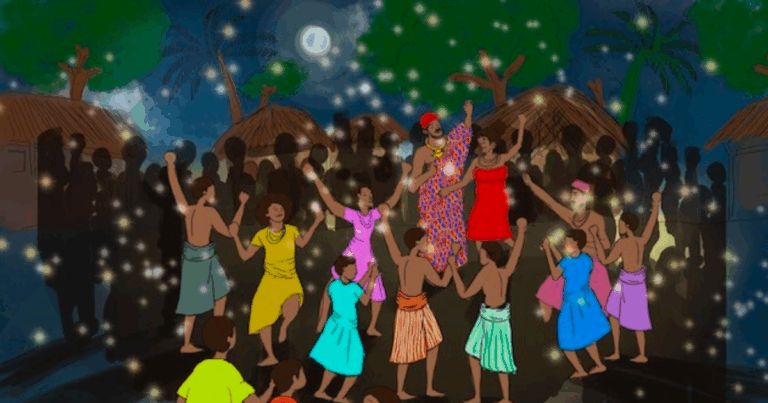
That’s the version most people inherit, if they inherit any version at all. But Lilith’s story didn’t stay still. Head into Arabian tradition and she’s someone else again. Ethiopian and Mesopotamian myth tell her differently still. Some threads even tie her to the Queen of Sheba. Nobody quite agreed on who she was, which tends to happen when a story gets told mostly by people who weren’t her.
A Story Told About Her, Not By Her
Ask most people what they know about Lilith and you’ll get the ending before anything else: demon, temptress, the woman who left. Ask why she left, or what she actually wanted, and most people don’t have an answer, because that part rarely made it into the telling.
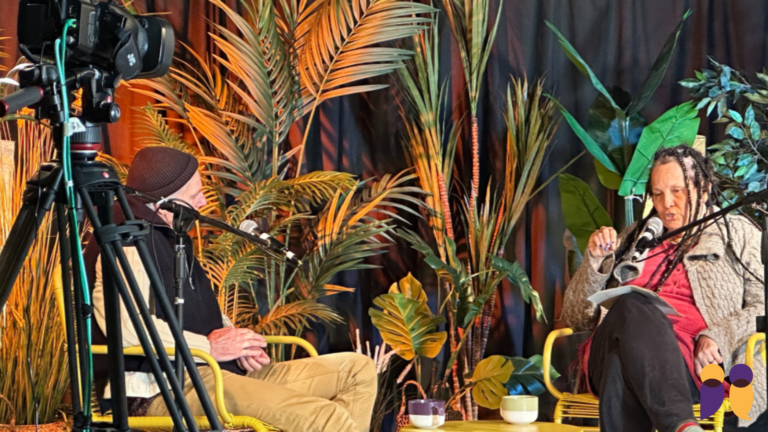
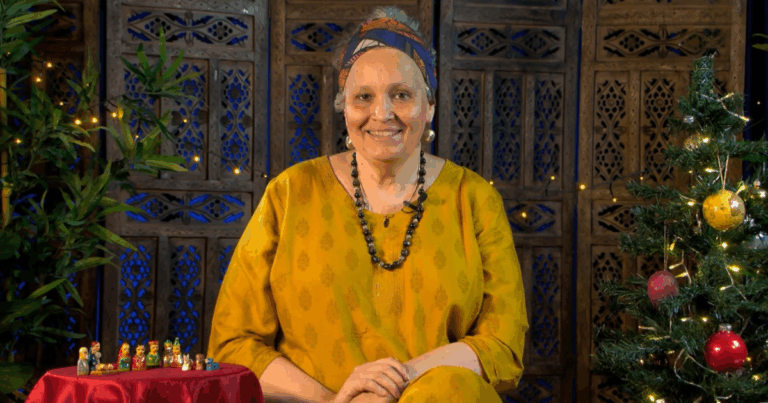
That’s the gap performer Katy Cawkwell walks straight into.
One Woman, Four Traditions
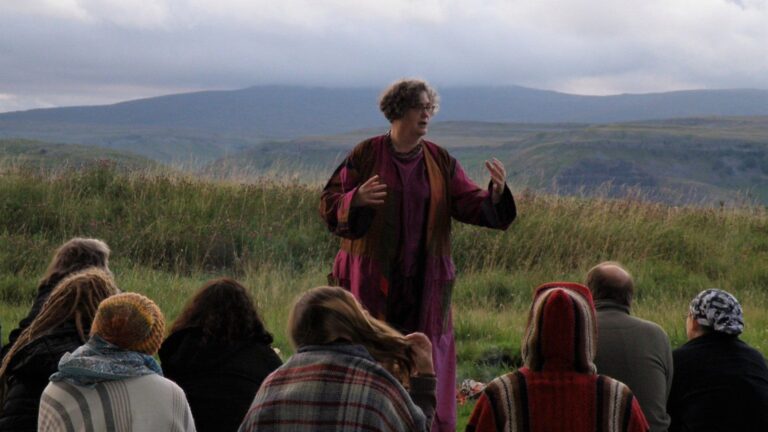
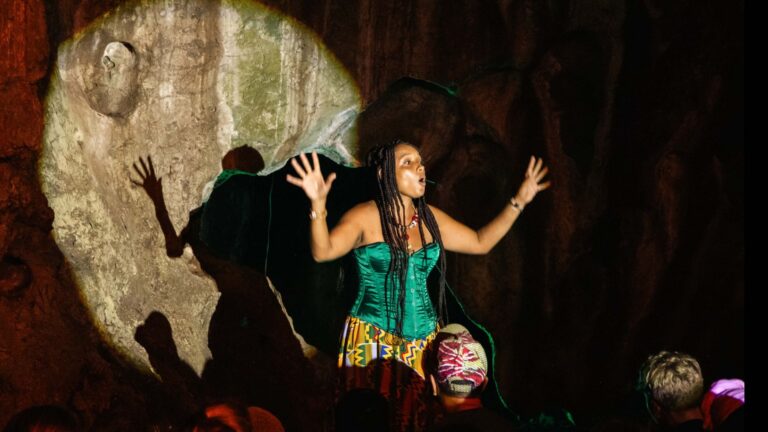
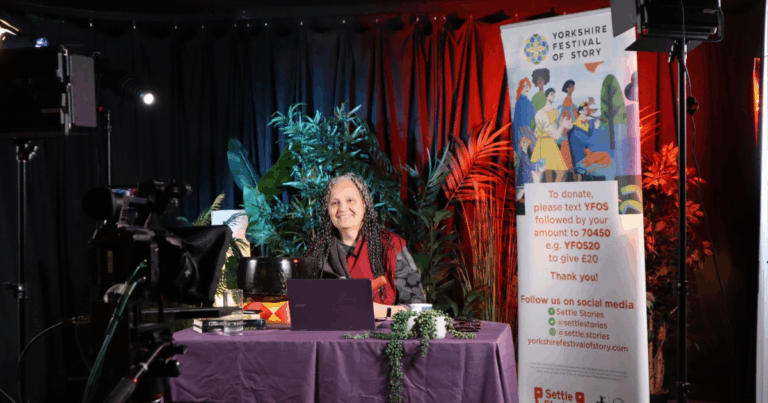
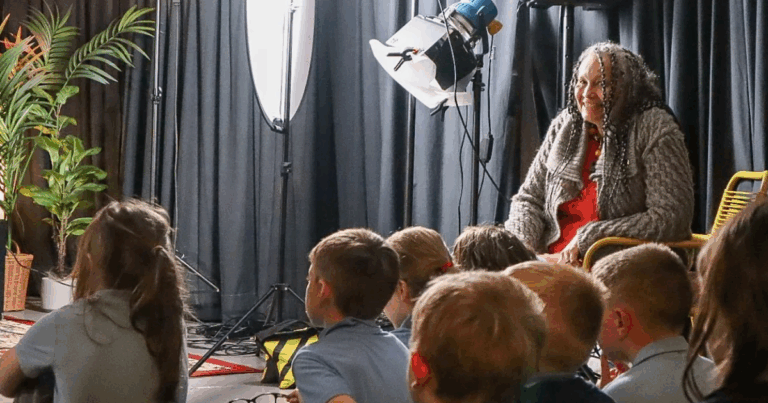
Katy’s spent years pulling these threads together, Arabian, Ethiopian, Mesopotamian and Jewish, stitching them into a single hour, told alone on stage. Villages in Action, who’ve toured her work through rural venues up and down the country, called her “captivating to listen to and watch” and said the room closed in around her as the story took hold. Anyone who has watched a good storyteller do that, hold a room of strangers still in their seats, knows it isn’t something you can fake.
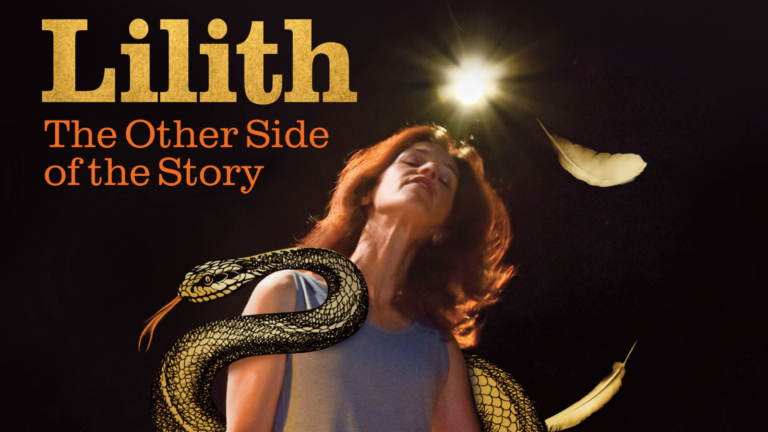
Lilith: The Other Side of the Story doesn’t try to settle the argument about who she really was. Goddess, demon and queen all get room to breathe inside the same hour, and you leave having decided for yourself which one you believe.
Why an Old Story Still Gets Under Your Skin
There’s something in the fact that a story this old still needs telling again, mostly by the people it was taken from in the first place. Lilith has spent thousands of years being explained away. Watching one woman gather up all those scattered versions and just tell them straight, without smoothing anything over, feels less like an ending and more like the story finally getting a fair hearing.
Think about your own family for a second. Is there a woman you were told about one way growing up, and heard a completely different version of later on? That’s roughly the shape of the evening ahead, just further back in time and with rather higher stakes.
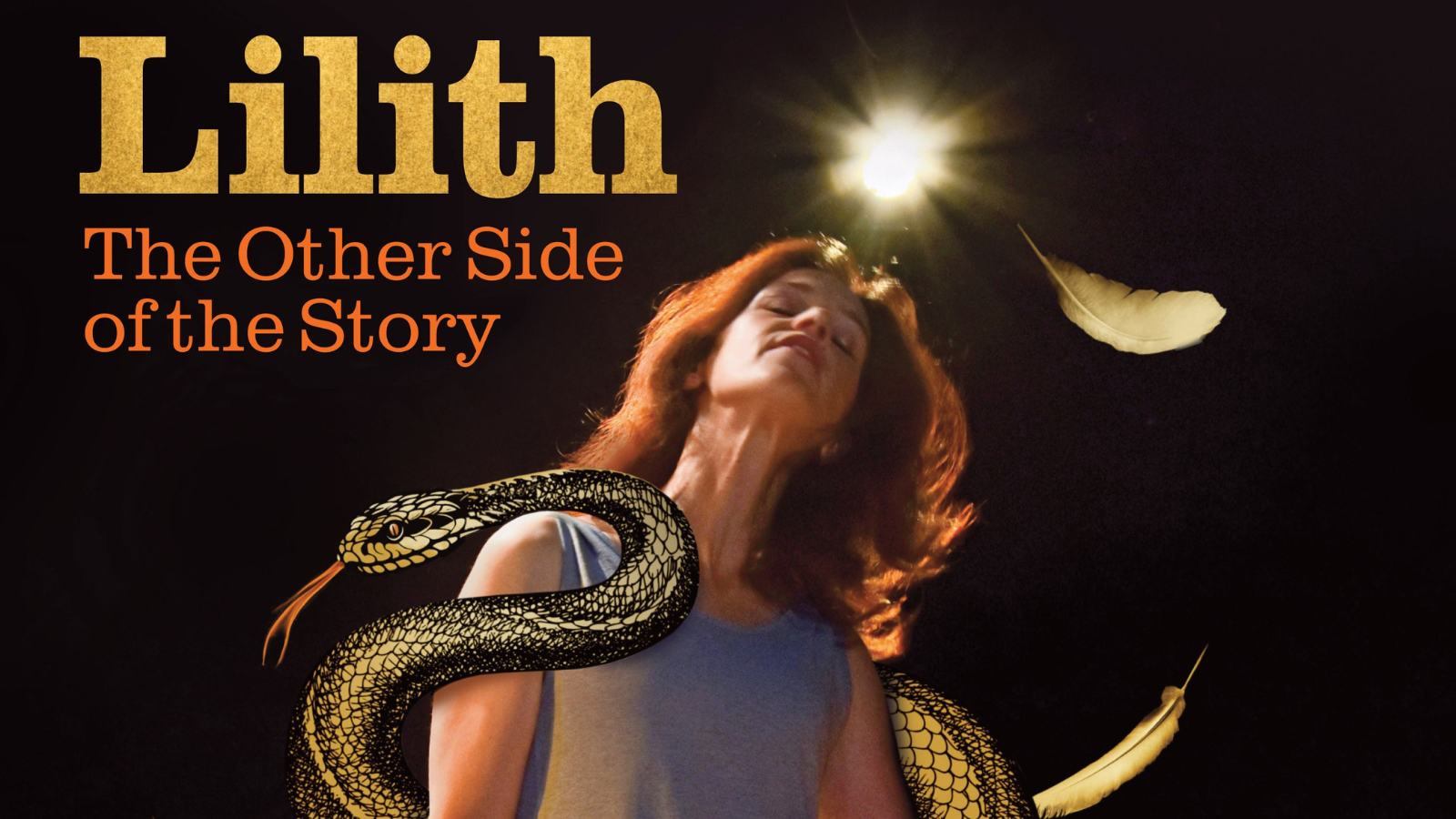
The poster calls the show shocking, seductive and entertaining. That’s a fair warning rather than an exaggeration. This is a grown-up evening built around a celebration of female power told through myth, closer to a story once told round a fire than anything polished up for a Sunday matinee.
It’s worth saying too that this isn’t a lecture dressed up as theatre. Katy tells the myth rather than explaining it, which is a different skill entirely, and a harder one. You don’t come away having been taught a lesson about Lilith. You come away having actually met her.
Come and Hear It
Lilith: The Other Side of the Story is on at The Joinery in Settle on 18th September, 7 to 8pm, live in the room or streamed wherever you happen to be. It’s a single performance with no second date, so if any of this has caught your attention, this is the one night to book for.
READY TO TAKE THE NEXT STEP?
Tickets are £10 to £16 at settlestories.org.uk.
Come and decide for yourself which version of Lilith you believe.