

Before children can write brilliantly, they must speak brilliantly. Before they can read with comprehension, they need rich spoken language. Before they can think critically, they need the vocabulary and confidence to articulate their thoughts.
Meet oracy: the unsung hero of primary education that’s hiding in plain sight.
What Is Oracy and Why Does It Matter?
Oracy is your pupils’ ability to express ideas clearly, listen actively, and engage meaningfully through spoken language. It’s not just talking, it’s the foundation of all learning.
Here’s the reality: pupils with strong oracy skills are often seen to outperform their peers. According to the Education Endowment Foundation, pupils typically make an extra six months of progress in a year when supported with oral language interventions. They’re more confident, more engaged, and better equipped to tackle complex problems.
Yet we’ve pushed oracy aside, and it’s costing our children dearly.
The Missing Piece of the Achievement Puzzle
Research consistently shows that disadvantaged pupils start school with significantly weaker oral language skills, creating gaps that persist throughout their education. Meanwhile, oracy interventions show some of the highest impact scores of any educational approach.
Think about it: when children can articulate their mathematical thinking, you spot corrections immediately. When they discuss historical events with sophisticated vocabulary, understanding deepens. When they explain scientific processes aloud, abstract concepts become concrete.
Oracy doesn’t just support learning, it accelerates it.
Why Stories Are Oracy’s Secret Weapon
Stories provide everything children need for oracy development: rich vocabulary, emotional engagement, clear structure, and endless discussion opportunities.
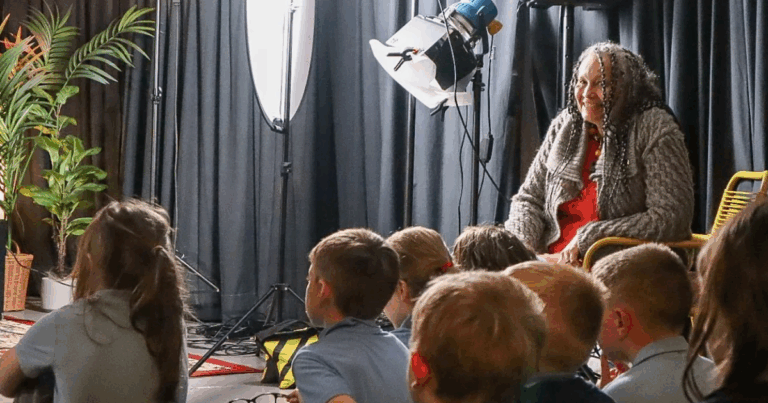
When children listen to stories, they absorb sophisticated language patterns and expand their vocabulary. When they retell stories, they practise word sequencing and build speaking confidence.
Humans are hardwired for narrative. Stories capture attention like nothing else, creating emotional connections that make learning memorable and meaningful.
The Classroom Reality Check
You’re thinking: “This sounds wonderful, but when do I fit it in?”
Between marking books, managing behaviour, planning lessons, updating assessment trackers, attending staff meetings, and supporting individual needs, it can feel like there’s barely a moment to breathe, let alone add something new.
This is exactly why we created Stories for Schools.
Stories for Schools: Maximum Impact, Zero Prep
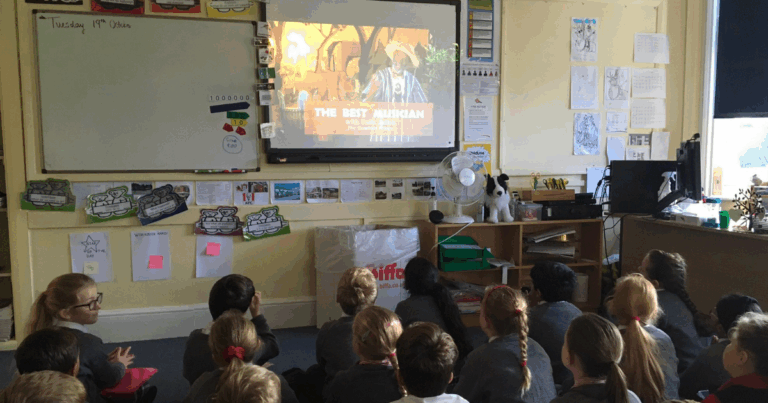
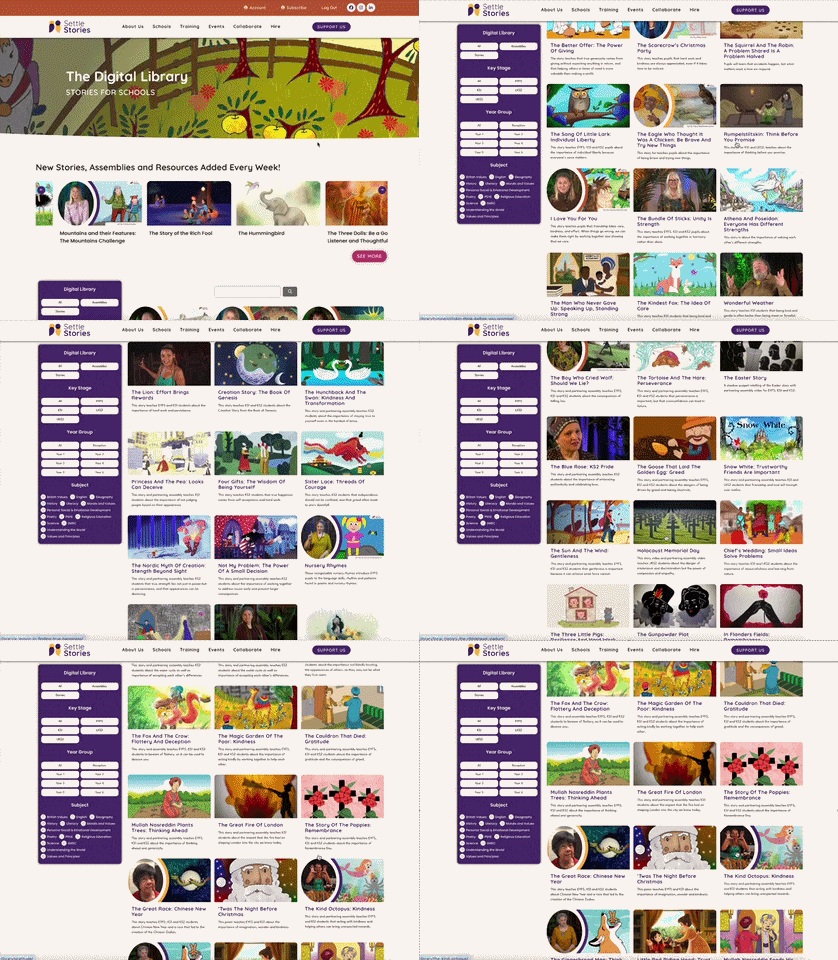
We’ve solved the time problem. Our platform delivers powerful oracy development through professionally crafted stories that require zero preparation. Just press play and engage.
Each story features:
- Professional narration with rich, sophisticated language
- Interactive discussion prompts that are built into the narrative
- Natural pause points for prediction and reflection
- Curriculum-aligned topic covering lessons from Geography to PSHE
These aren’t just stories, they’re oracy development tools disguised as entertainment. Children develop speaking and listening skills whilst exploring essential life lessons like kindness, empathy, and resilience.
The Transfer Effect
The benefits extend far beyond English lessons. The range of vocabulary that children encounter, the discussion skills that they develop, and the confidence that they build transfer directly to all subjects.
A child who can articulate thoughts about a story character’s moral dilemma will better explain mathematical reasoning or share scientific observations.
See the Difference Immediately
We’re offering you a free assembly resource to experience the transformation firsthand. This targeted storytelling video comes with interactive questions and a complete assembly plan, with no preparation needed.
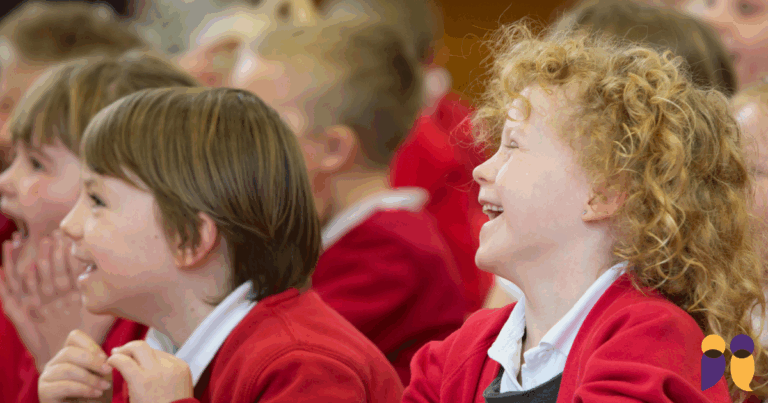
Watch as quiet children find their voices, reluctant speakers join animated discussions, and your whole class develops the oracy skills that will serve them throughout their education.
The Bottom Line
Oracy isn’t an add-on, it’s the foundation that supports everything else.
Every discussion, every explanation, every moment of verbal reasoning builds the thinking skills your pupils need to succeed. Stories make this development natural, engaging, and manageable within your existing timetable; they turn oracy practice into something children actively want to do.
Don’t let oracy remain the unsung hero any longer. Give it the starring role it deserves, and watch as your pupils’ confidence, articulation, and learning accelerate beyond your expectations.