World Environment Day (WED) is held on the 5th of June each year. It originally started in 1974 by the United Nations and is hosted by a different country each year and focuses on a central theme. This year World Environment Day 2021 is being held in Pakistan and the theme is Ecosystem Regeneration, a 10-year project with the aim to fix some of the damage that has been done to our lovely planet. WED is marked as the people’s day for doing something to take care for their environment and help to improve relationships between people and nature. Here are some ideas how you can make a difference and help change the environment story from one of despair to one of hope:
- Plant some bee friendly flowers, bees love sunflowers! Why not share seeds with your friends and have a competition and see who can grow the biggest one?

- Walk to school. Notice how much nature there is around you, from the weeds in the pavement, to the birds in the sky. Pick up any litter you see on your way.
- Trees are our lungs, without them there would be no us! Plant a tree! Even an apple pip or an acorn and plant for future generations.
- Make Compost for your garden! A wonderful way to help biodiversity that stops the need to use artificial fertilizers and pesticides helping restore the ecosystems right under your feet and the worms will thank you too.

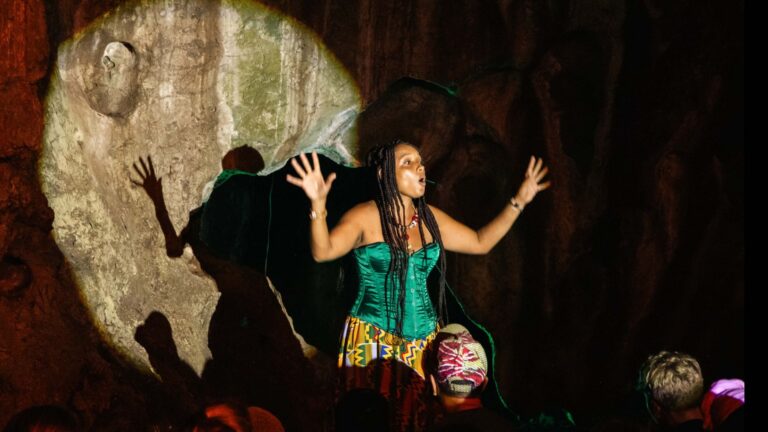
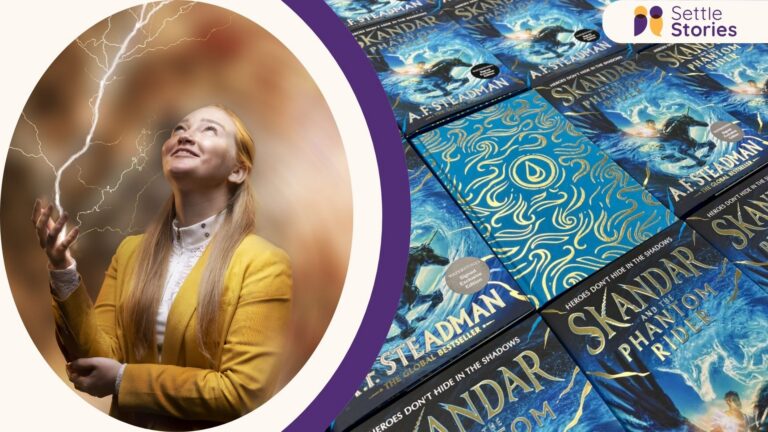
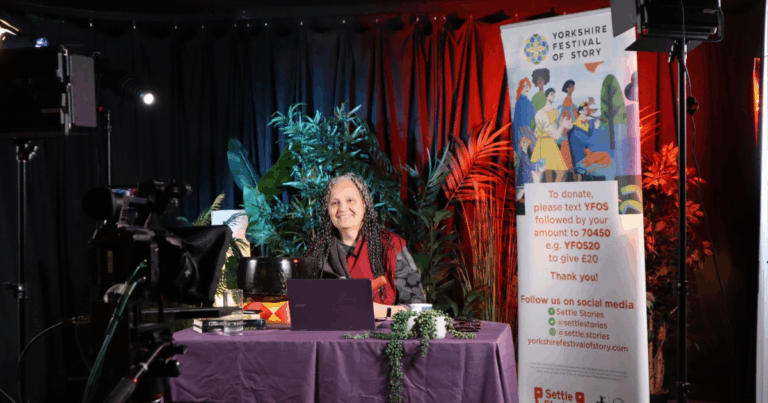
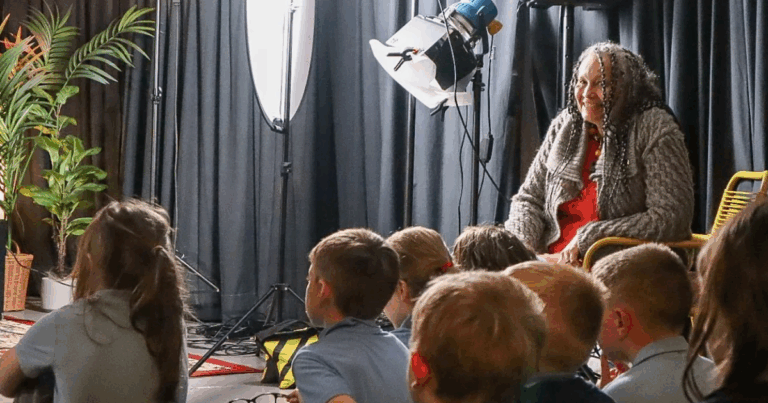
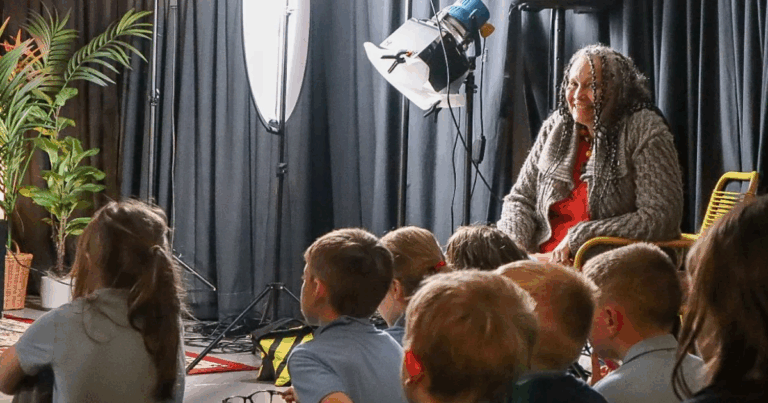
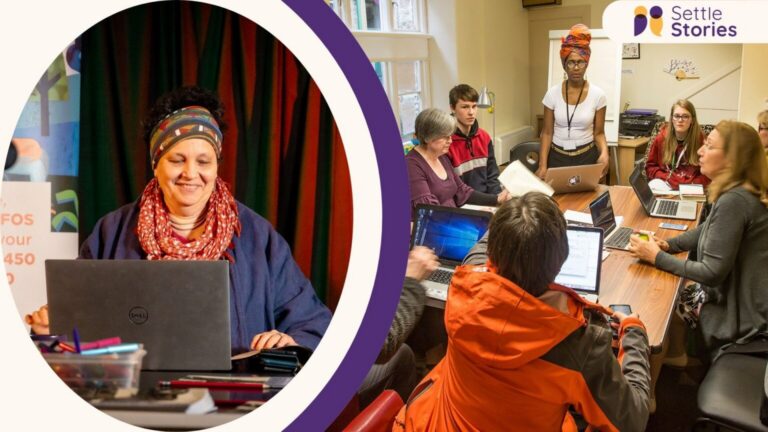
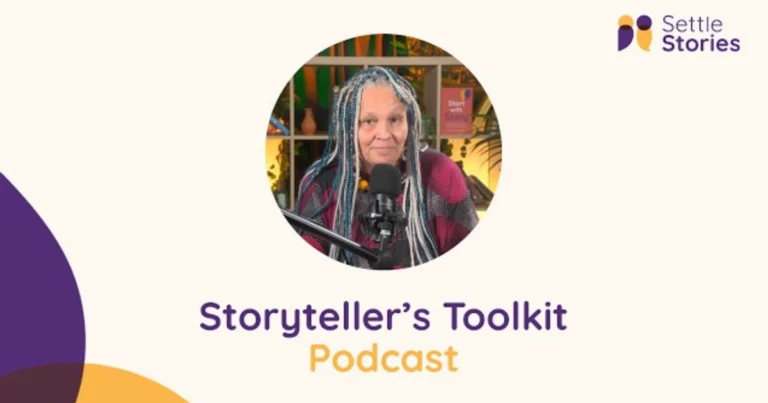
- Right now, we need story telling more than ever to help us reimagine our own personal relationships with the natural world. Join Storyteller, Tamar Eluned Williams live and online on June 4th. Let her take you on a magical story journey to celebrate the wonder of our beautiful natural world and transform yourselves into nature guardians of the future. Performances will be at,
9.30-10.15am on Friday 4th June (suitable for KS1 (ages 5-7)
OR
1.30-2.30pm on Friday 4th June (suitable for KS2 ages 7-11)
The event will be available on catch up for a week, until 12pm on Fri 11th June just visit one of the booking links above to secure your spot.
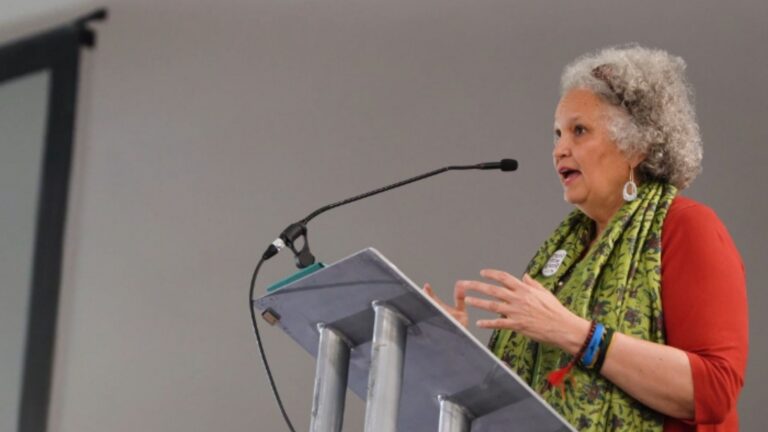
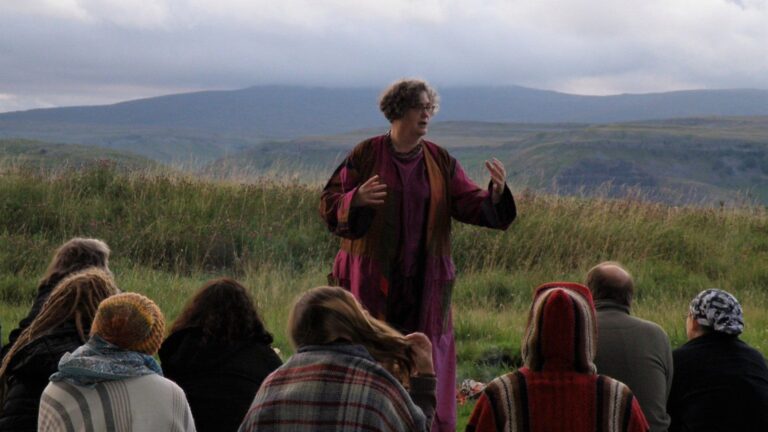
Tamar is an award-winning storyteller who tells stories in Welsh and English. She has worked nationally and internationally as a performer and workshop facilitator, creating storytelling shows for audiences of all ages, and working with schools, museums, festivals and theatres across the world.
Ahead of our event with Tamar we caught up with her to find out more about her and what we might expect from the event.
Q & A with Tamar Eluned Williams

What was your earliest tangible connection with nature?
I was lucky enough to get the chance to spend a lot of time in nature growing up. I climbed Snowdon for the first time when I was five, and I have a lot of memories of spending days out in the mountains, no matter the weather, wrapped up against the cold or hiking in t-shirts and shorts, and always with plenty of Mars Bars to keep us going. My sister and I were also always keen swimmers. We loved water so much that it was a challenge to keep us out of streams and lakes while out walking. Also, my childhood home had a gate in the back hedge that opened into a park, and we’d be out in that park every day after school. It wasn’t really a play park, more a field with wild edges, and we were wild children, who built dens and raced our bikes over mounds of earth and climbed trees. We were constantly covered in mud, falling off things, getting stung by nettles, making potions from piles of leaves and earth. I feel deeply lucky that this was how I grew up. All of this contributed to a deep connection with nature, and a longing to be outside, as much as possible, whenever possible.
Who was your biggest storytelling influence growing up?
I got to hear lots of stories told as I was growing up. My Dad told me stories. One of them, about a little princess who is very sick and can only get better if she is given the moon, is a story that I tell myself now. He also used to tell my sister and I an “episode” every week of an ongoing story about two little girls much like us, who would go out through the gate in their back hedge to the park behind, get on the backs of their two dragons, and go on adventures, but they always had to be back in time for tea. This sort of oral storytelling, alongside lots and lots of reading aloud from books like Swallows & Amazons, The Box of Delights, and Susan Cooper’s The Dark is Rising series was just always a part of our day-to-day lives. We also used to go to festivals where professional storytellers were telling stories. I heard Taffy Thomas tell when I was very small, and when I told alongside him in one of my first ever gigs, I had a very profound reaction to hearing his voice again. It was like stepping back in time and being seven years old again.
What themes will your stories be covering for World Environment Day, without giving too much away?
I like stories of hope, stories that celebrate the natural world, and stories that show us what we can achieve to protect it if we all work together. I think that many of the old stories of landscape speak to a need for human beings to be the custodians of the future, and so many of the Welsh myths and legends that I tell explore this idea, as well as celebrating the bounty and richness of the natural world. I also like to remake myths into stories for facing climate change and pooling resources to find positive outcomes. My stories for WED will be touching on all of these ideas!
What part do you think stories play in helping to change the nature story?
I think stories help us consider our place as human beings in the natural world. For too long we have thought of ourselves as separate, superior, as if what happens in the natural world doesn’t affect us. Stories are about connectedness, and we see through stories that striving for individual goals doesn’t always work. Instead, we have to look to creating resilient and caring communities, building strength in numbers, and each of us working to our personal strengths to improve things. Stories also speak of responsibility towards the generations that are to come: they feel ageless in this way. If you’re telling a story, you’re hoping to pass it down, down, down to all the people that will come after you, and that means protecting the planet for those people, the ones that haven’t been born yet, the ones that won’t be born for hundreds if not thousands of years.
A favourite childhood story that is connected to the environment?
One of my favourite stories growing up was the story of Cantre’r Gwaelod, which is a Welsh folktale, not dissimilar to the story of Atlantis. In the story, there’s a kingdom that lies below the level of the sea, protected by a great stone wall that must be maintained and cared for at all times. Unfortunately, through human error (and a bit of errant drunkenness), the wall is breached, and the kingdom drowned by the sea, and it is said you can still hear the bells ringing below the sea on the coast of Ceredigion where the drowned kingdom is thought to be. I work with this story all the time in schools. It speaks to a future where the sea is more dangerous. It also speaks to the power of nature, how it cannot be contained, how we must not believe that we are better than it. We must respect it, and love it, because we cannot control it.
History has a habit of repeating itself, you mention in your bio that at school you were told stories of the Mabinogion. Can you expand on this and are there tales in the book that still resonate today? If so, which one sticks out?
The Welsh Mabinogi stories are epic, sprawling myths full of magic and animal transformations and war and violence, but they’re also about people trying to find their place in the world. In many ways, they’re about human beings struggling with a world that they don’t quite understand, where the rules are constantly changing, where magic exists. I tell these stories because each time is like peeling back a new layer of onion skin, and underneath there’s another layer, layer upon layer, and I may never finish the job of peeling. One of my favourite stories from the Mabinogi is the story of Blodeuwedd, part of the Fourth Branch. Blodeuwedd is a woman made from flowers, given to marry a man with a curse upon him that means he cannot marry a mortal woman. This is the epitome of the human/nature struggle. She is not truly of the human world and therefore doesn’t stick to its arbitrary rules, and instead longs for freedom, and ends up upsetting the balance of her society completely. But I don’t think she can be blamed for that. She is, after all, made from nature, and has all of that freedom and potential within her, and she struggles against the boundedness of the male-dominated society she finds herself in.
We spend a lot of our time talking on behalf of nature but what lessons do you think we could learn from her?
I think we need to learn, and quickly, that we are part of her, and she is part of us and we cannot think of ourselves as separate, just like no other creature on the planet believes itself to be separate or beyond the laws of nature. We cannot think of things like biodiversity loss as happening to everything on the planet apart from human beings. We are part of holding the planet in balance and we need to take responsibility for that.
We also need to learn to passionately love the natural world. We need to learn to look at her and see her remarkability and her beauty, celebrate it, and feel deeply connected to it.
What will you be doing to celebrate world environment day after you have finished telling stories?
I’ll be telling more stories! I have volunteered to share some stories at a shared meal at Cardiff’s refugee charity. I think we have to think of WED as being about all stories: the stories of the natural world, of the non-human, but also of human stories, as we are part of the balance of the world, particularly a world where some humans have been uprooted from their homes because of war, or environmental disasters.
Your favourite thing to do outdoors when you are not storytelling?
Swimming! Since the first lockdown lifted, I have developed a wild swimming obsession. I swam in a frozen lake on Christmas Day last year. I have to dip myself into cold water on a weekly basis now. It’s like a full-body reset.
Join Tamar and Settle Stories to celebrate World Environment Day
Blog written by Jane Corbett