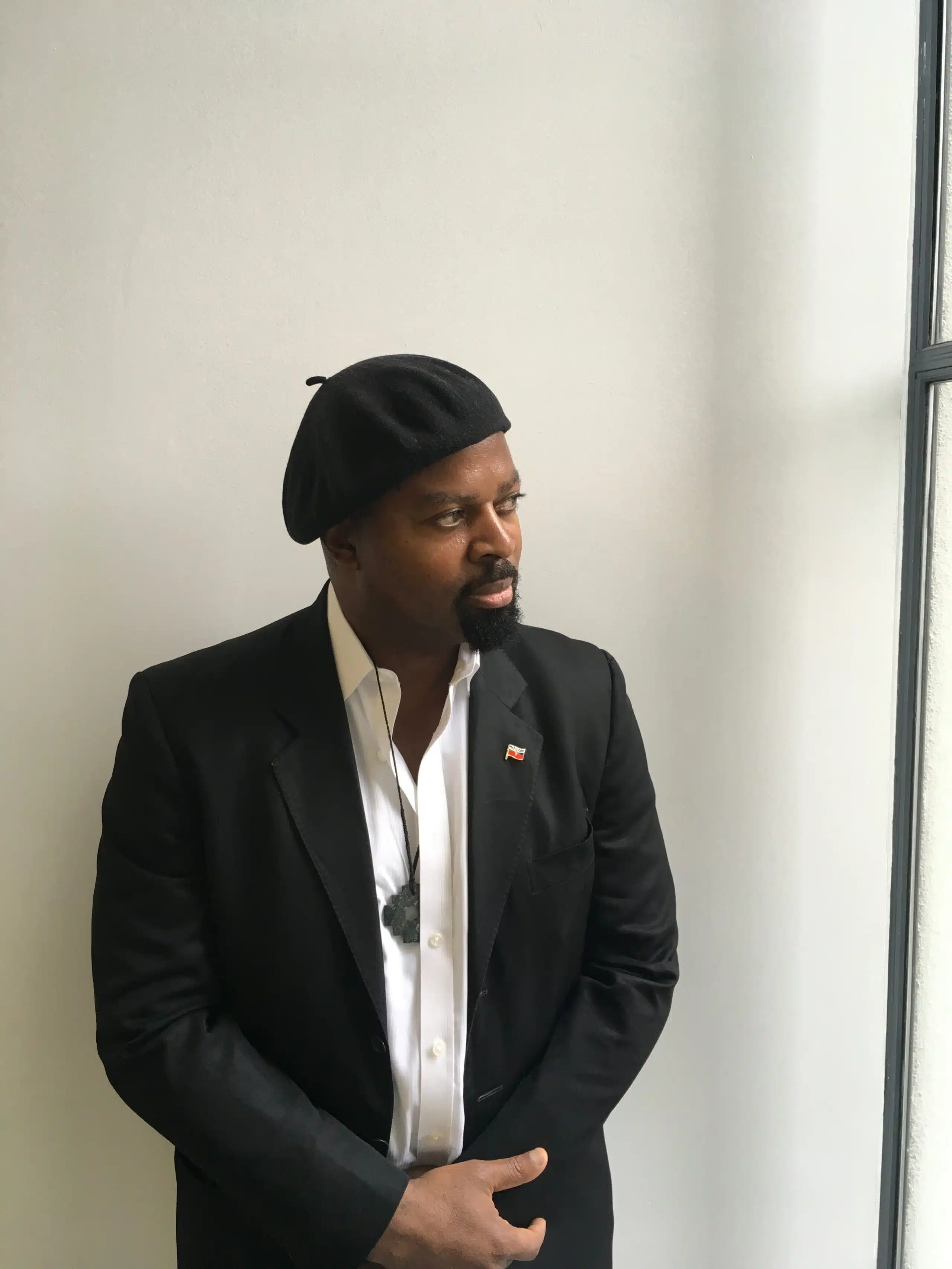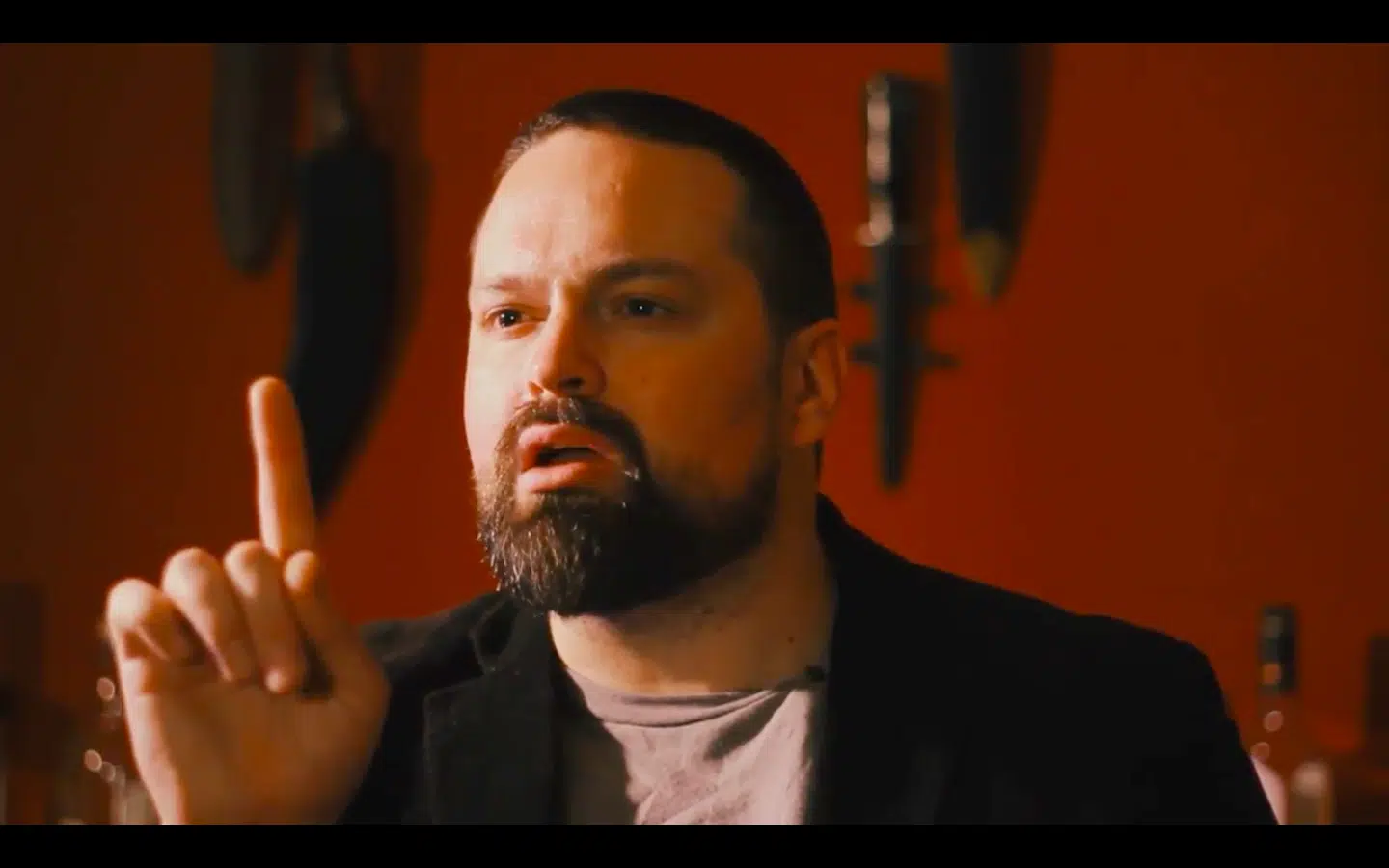

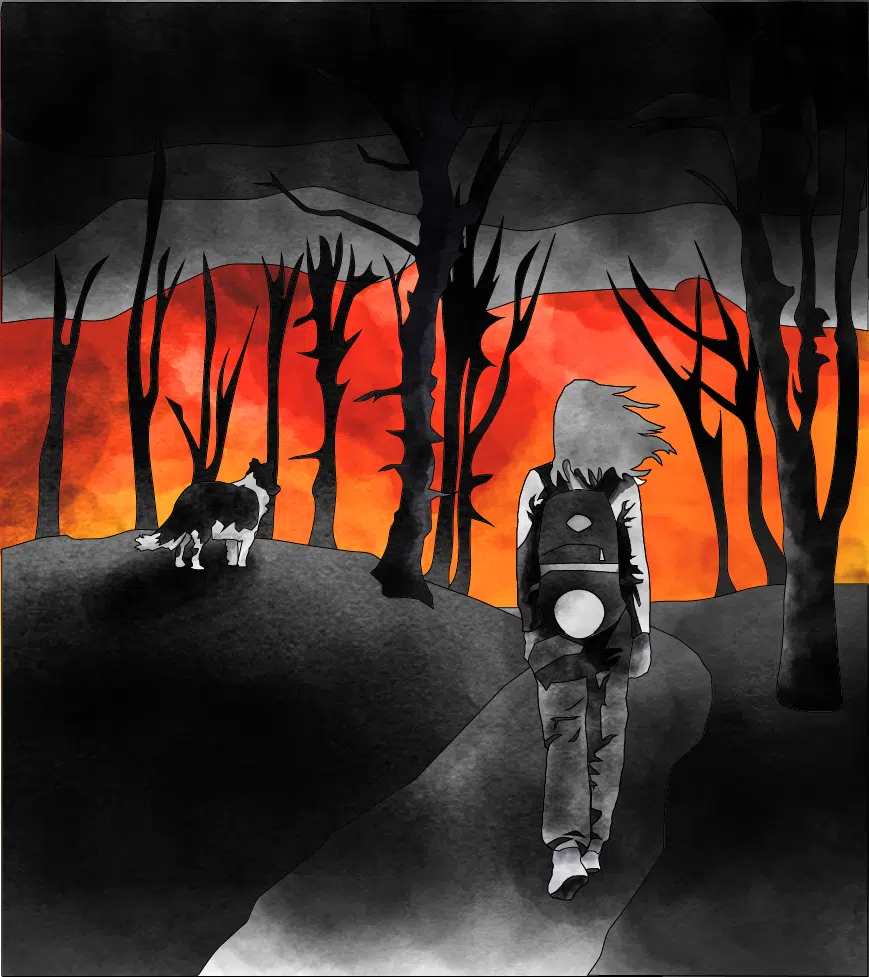
On the 30th August, video game writer and newly emerging author Greg Buchanan will be hosting an engaging event detailing the journey to creating compelling and relevant interactive fiction ‘American Election’ at Yorkshire Festival of Story.
In a society that is becoming increasingly reliant on digital entertainment, video games are seen as an escape for many. Greg is renowned for short, interactive games such as ‘American Election’ and ‘Paper Brexit’, dark, captivating political dramas which do not only serve to showcase our internal fears but also leave us questioning the direction in which our society is heading.
These short games can be played for free using the following links.
American Election
Paper Brexit
We asked Greg a few questions to gain an insight into the mind of someone who combines creative writing with digital media in order to expose the flaws in our society.
How did you realise that video game writing was something you were passionate about?
I’ve always been interested in video game writing, but it was only when I moved to Guildford in 2015 that I realised it was something I’d like to do for a living. Meeting other developers at a game jam (a 48-hour event where everyone collaborates to make a free game as quickly as possible on a particular theme) was one of the formative creative experiences of my life, and around the time of the Brexit referendum, I used everything I’d learned to make my first proper title, a branching narrative game about politics and a strange, nightmarish cafe. After that, I was hooked, and haven’t stopped since!
What has been your favourite professional project thus far?
Oo, this is a very hard question, and depends on the medium/type of project. I have my first novel coming out in May 2021 from Macmillan — a literary thriller named Sixteen Horses, about a police officer and a forensic veterinarian investigating the decapitation of sixteen stolen horses in a dying seaside town. I’m hugely excited to see the response to that! The book can be preordered from Waterstones by clicking here.
For my own games, I’d say ‘American Election’ — in development on and off for years, it told a story that captured a lot of what I’m scared about in the world, in a personal/emotional way I find is often missing from many treatments of current events.
In terms of games-for-hire where I’ve collaborated with other studios, it’s a little difficult to choose (I love them all equally, I promise!) but if I had to pick, I’d say No Man’s Sky. I joined the development team months after the original version of the game had come out and kept being surprised with each new request for work. I started out just doing a short tutorial for how to drive space cars — which I ended up turning into a harrowing story about a fugitive and a long-lost family, with the first big moral choice in the game. After I did that, they hired me for a big update where we added a new thirty-hour long story into the game. I’ve been working with them intermittently ever since.
How much do current affairs and the world around you influence your work?
I’m not sure what the point of fiction is if it doesn’t somehow relate to the world around its author and its readers. This doesn’t have to be explicitly political in the sense people often mean — about specific government policies or decisions or wars or whatever other new way powerful people have found to enrich themselves and ruin the world. Even my games that directly touch
on such themes — Paper Brexit and American Election — do so in a way that focuses more on how these huge events feel emotionally as part of everyday life, rather than making specific points about policy. There’s a device in literature called the pathetic fallacy — where writers use the weather to echo and foreshadow the emotions of the main characters. I suppose for me, I try to use current affairs in the same way I’d use the pathetic fallacy — imagining Brexit as a huge meteorological event that, regardless of how you feel about it, is going to lead to monumental change. I’m interested in the emotion and upheaval such moments leave, fuelled by my own beliefs but (mostly) not trying to preach to anyone, as I think that would be counter- productive.
How do you make your work as immersive as possible? How do you get into the
head of the main character?
In my PhD thesis, I looked at how the stories of books and games are sequenced, and how this sequence can affect how we identify the characters on page/on screen. So for me, the order in which we find out different pieces of information is a hugely important element in immersion. Readers always have to ‘fill in the blanks’ about people just like they do for strangers in real life, except in games, they are also asked to -become- these strangers, to control their decisions. So in a game like American Election, I try to play around with the extent to which you can decide things for the main character, and the extent to which these decisions matter. A lot of people come to games expecting complete control. Life doesn’t always allow our actions to have consequences in the way we hope they might.
Would you say that your work fits into a particular genre? If so, why are you
drawn to these themes?
A friend once summed up my writing style — regardless of whether it’s a thriller novel, a political game, sci-fi exploration, or even something with elements of comedy — as ‘existential, with a sense of doom’. I’m generally a pretty jokey, light-hearted person in everyday life, hence my family and friends being quite surprised when I started producing all this material in my late- twenties. I think I’m interested in the sadness of what leads people and systems to break down.
There’s an inscription on a fifteenth century cathedral in Amsterdam: ‘It is so. It cannot be otherwise’. There’s good in almost everyone, but this doesn’t mean what a lot of people think. Just because the good is there, doesn’t mean time, cause, and effect will ever let it manifest or thrive.
Discover how Greg uses digital media to show our world in stark and dramatic contrast.
BOOK YOUR FREE PLACE ON HIS EVENT
Written by Molly one of our Young Reporters for YFOS
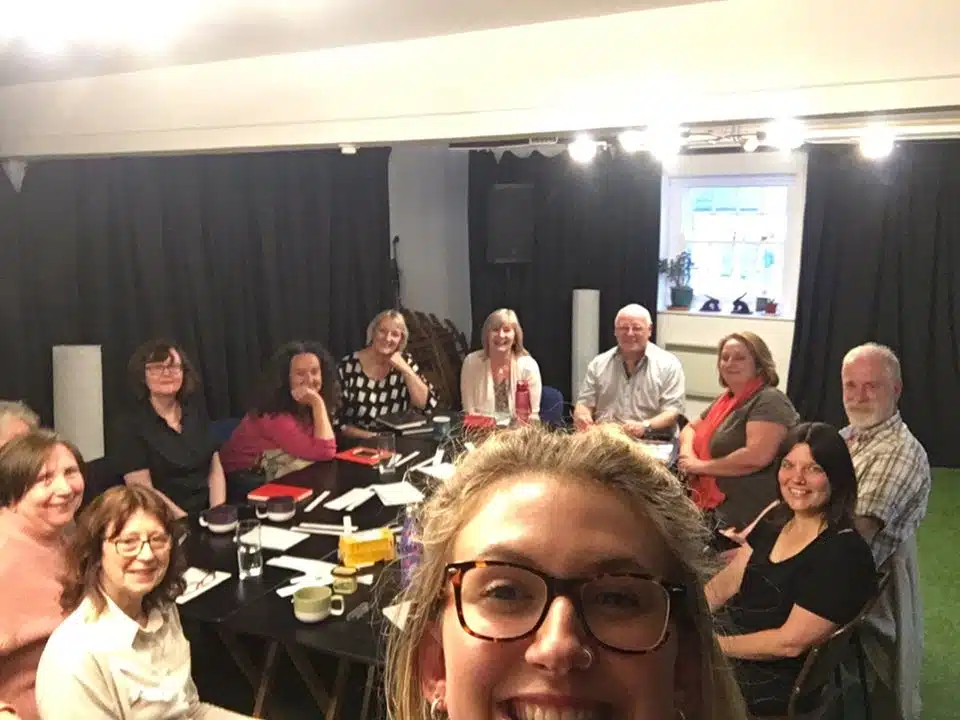
We are Young Reporters from across North Yorkshire aged between 12 and 19. We are passionate about writing and are reporting on Yorkshire Festival of Story for valuable experience, to use as a stepping stone for our careers in journalism. We are working together with Charles Tyrer (Settle Stories) and Chloe Thwaites (North Yorkshire County Council) who are supporting our work. If you would like to know more or to get involved in our Youth Voice groups get in touch: chloe.thwaites@northyorks.gov.