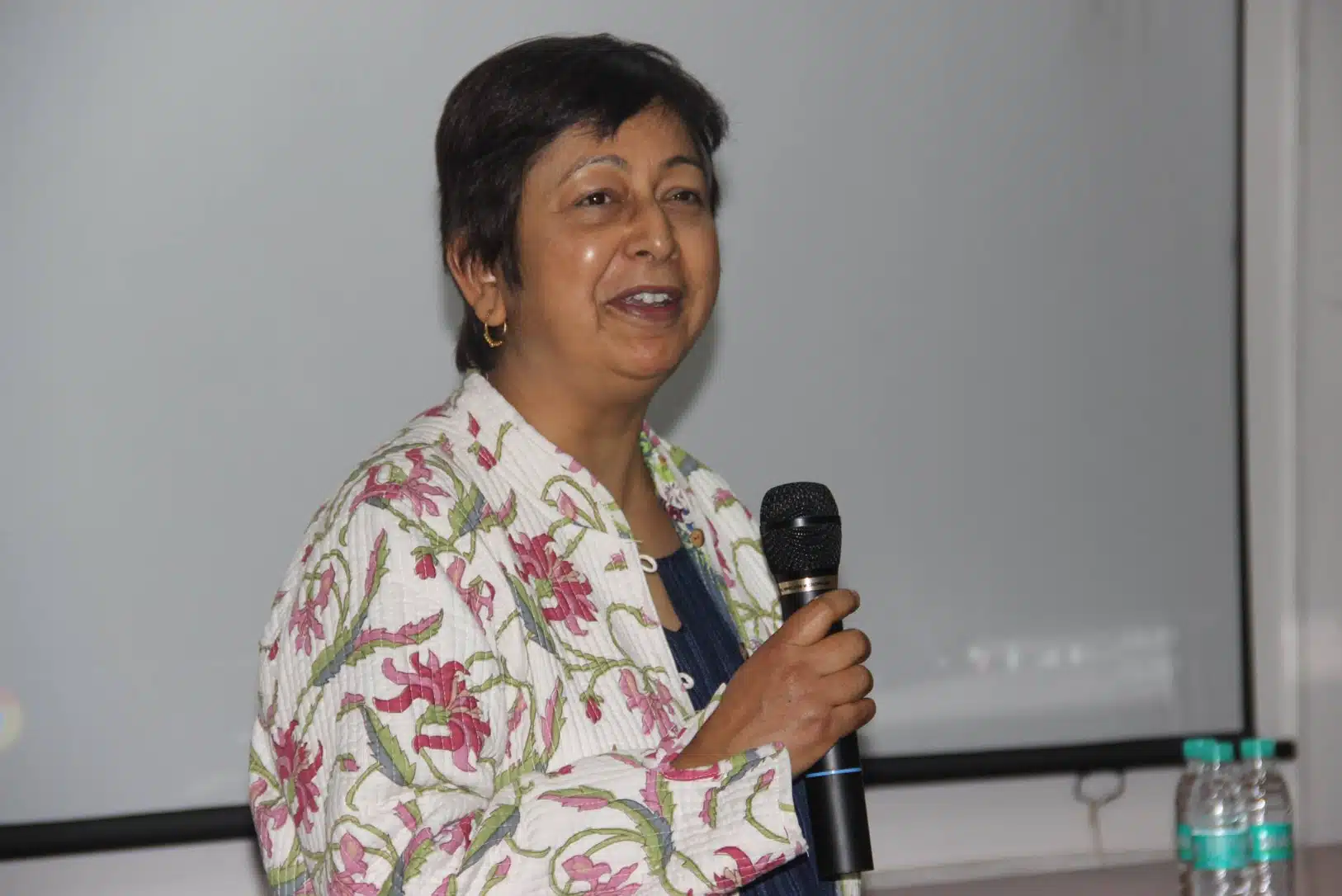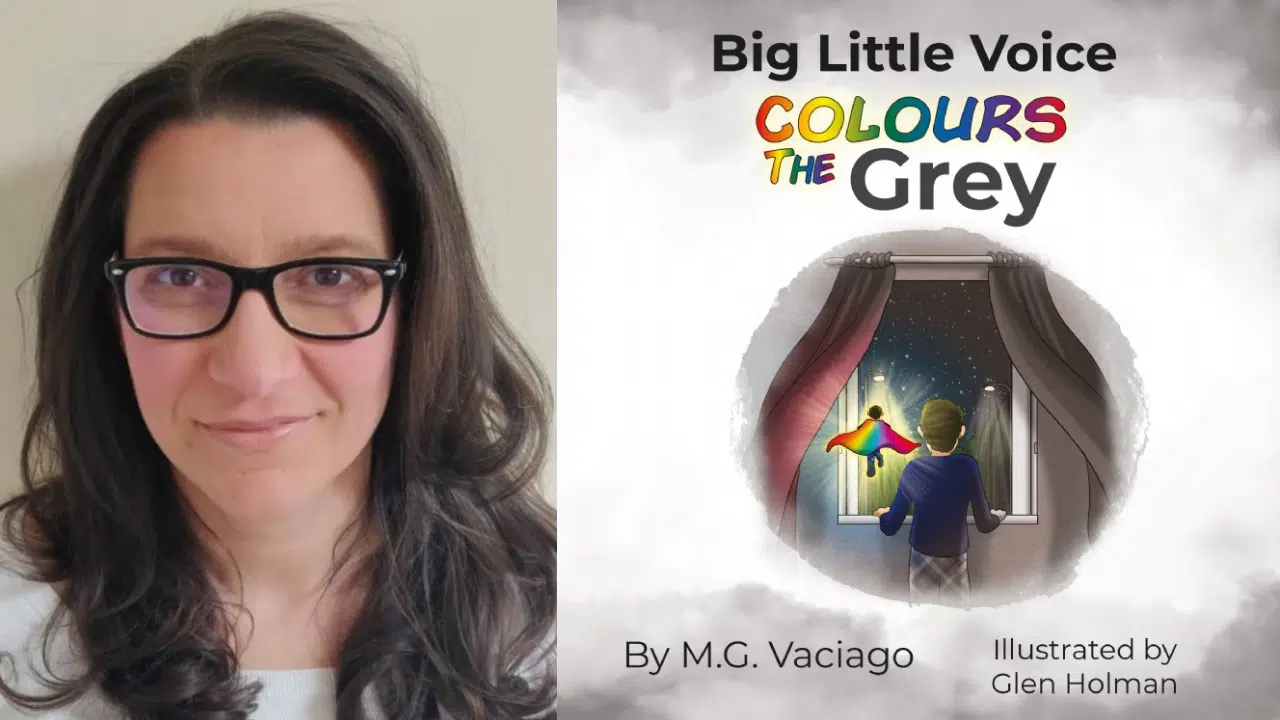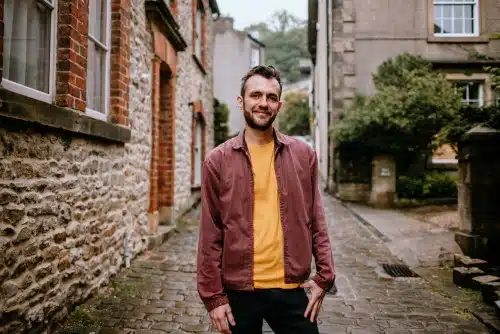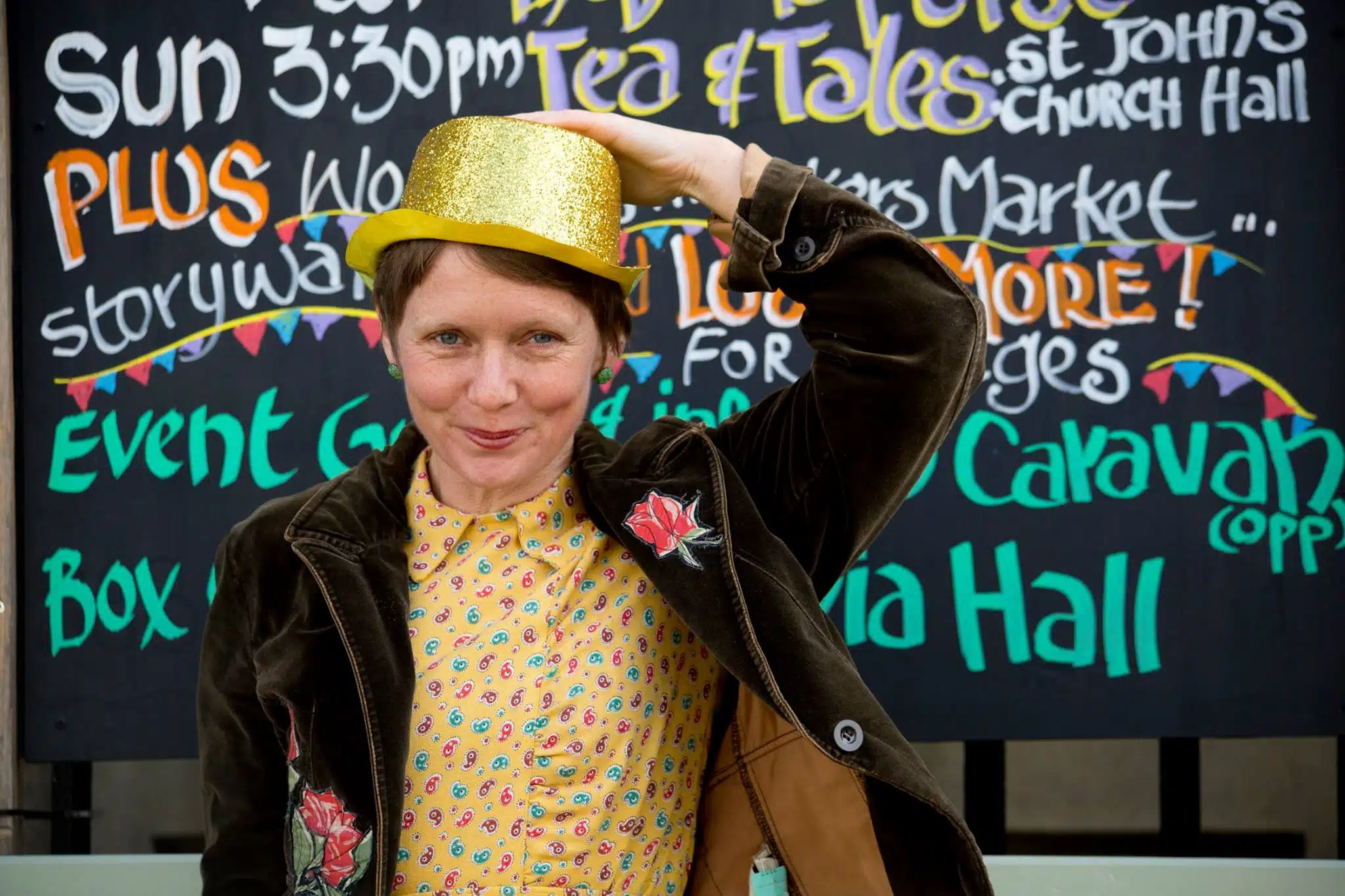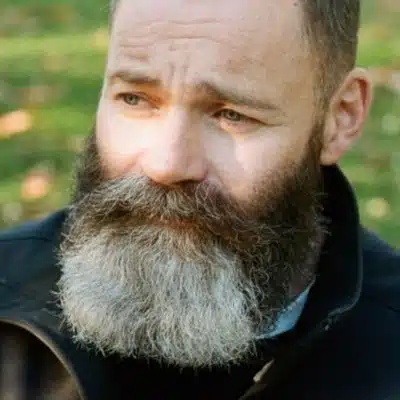

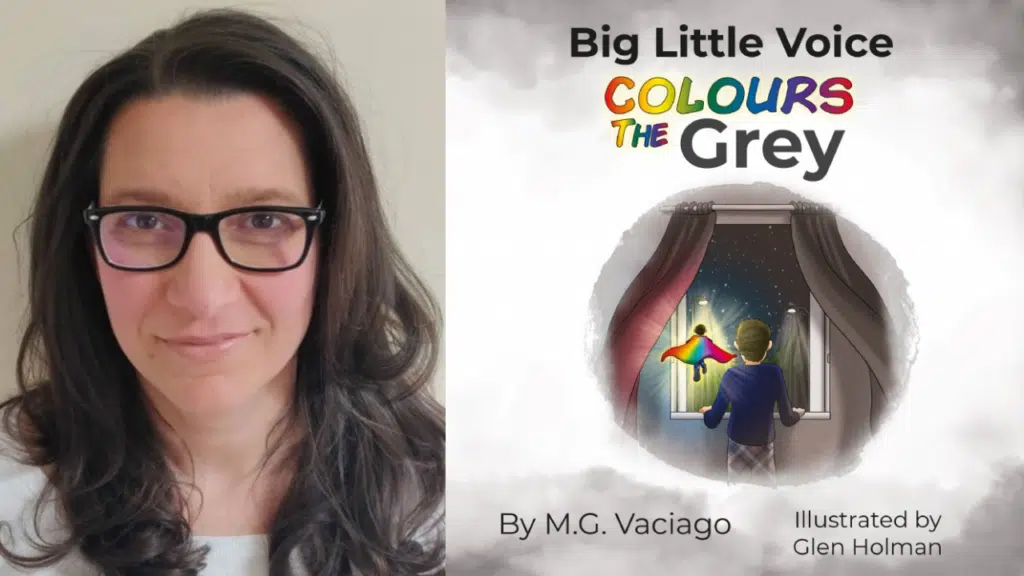
M.G. Vaciago is an accomplished children’s author who has won a multitude of awards including the 2023 Borough of Broxbourne award for her anti-bullying work, a finalist award for the 2021 and 2022 IAN Book of the Year, The Royal Connection award for Empowering Children and The Smart Social award.
Sophia Foster spoke with M.G. to find out more about her award-winning children’s series, and why she’s passionate about tackling bullying.
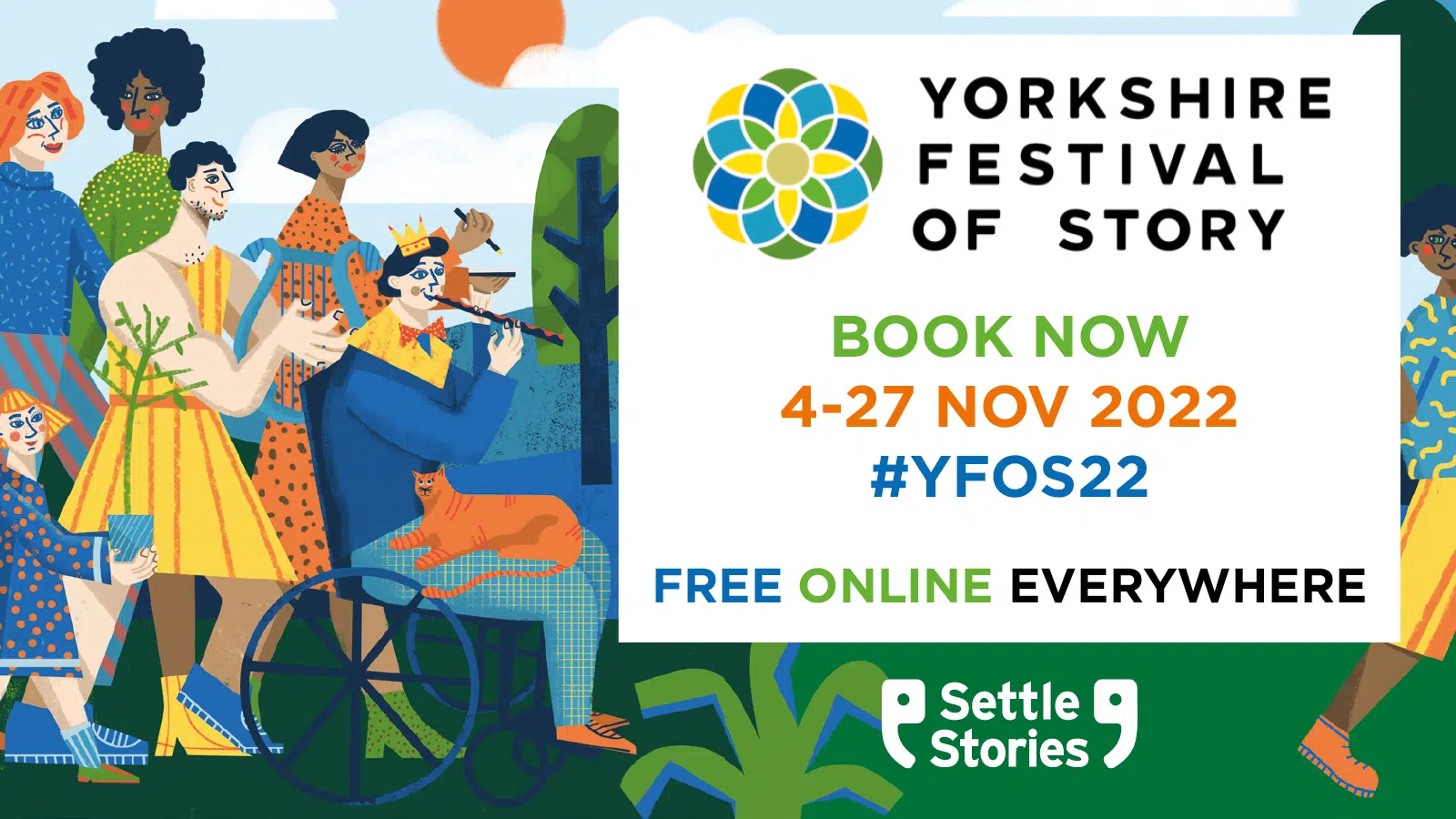
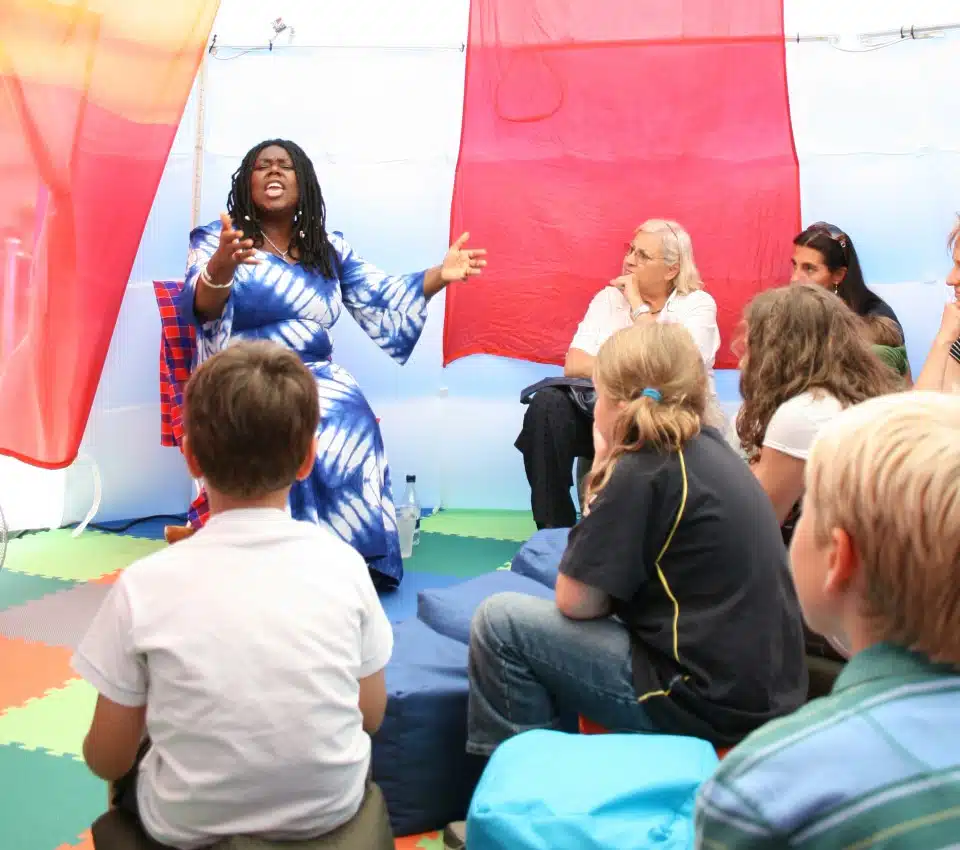
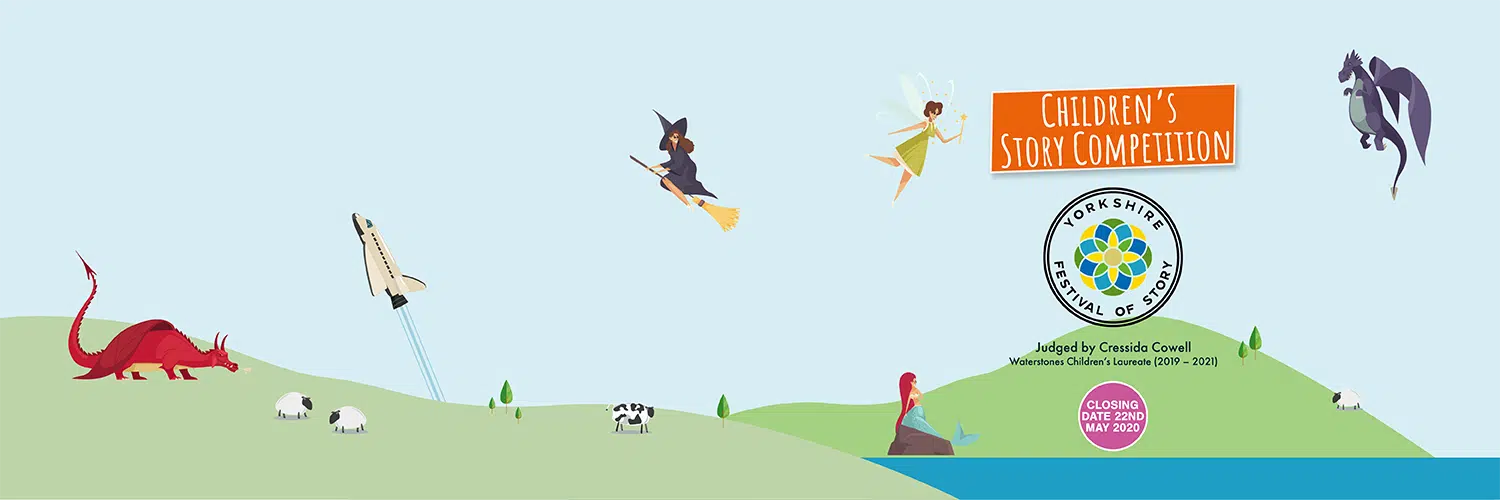
M.G. Vaciago will be making an appearance at this year’s YFOS where she will showcase her children’s literature and work to empower more children.
You can book your spot for M.G. Vaciago’s event here.
Tell us about you and your writing journey?
I used to write stories as a child, because I was also bullied, and creating alternate worlds on paper was my escape. This love of writing and creating, carried on into my adult life, but at that point it was just a hobby.
Big Little Voice Colours the Grey was created as a way of comforting my middle son who was being violently and persistently bullied in school. Every night, when I tucked him into bed, I would tell him a story about his inner superhero. My husband would say to me, ‘That’s a brilliant story, you should write it down for him’. So, I did, and I got it illustrated. It was only meant to be for him, then somebody saw it and read it, they said, ‘You really should get this published. It could help lots and lots of children.’ That’s where my writing and publishing journey began and it has since sparked a whole series of other books for kids that deal with things that they’re worried about.
I also do a lot of work in schools. I have run a lot of anti-bullying presentations, empowerment presentations, and creative writing presentations. I hear from a lot of kids that it sparks their imagination and I get lots of messages from schools saying – ‘Since you’ve been here, they’ve been creating all sorts of material’. Hearing a story like this is lovely because I want to empower kids to be their best self, but also put pen to paper.
Why did you feel drawn to fictional books to talk about these topics instead of a self-help guide?
I think self-help guides have a bit of a negative connotation, and personally, I don’t think they’re suitable for children. I think these topics need to be addressed in a friendlier more informal way. Although my books are fiction, they are also quite factual. I wanted children to realise they have an inner superhero that’s exactly like them but has all the strengths that they may have lost or forgotten about through the years. I think taking advise from your inner self, is more relatable than taking advice from somebody else. I wanted children to be able to learn how to tap in to their inner strengths and inner tools to help solve their issues.
How important is it to create awareness of mental health from an early age?
It is vitally, vitally, important. As I have seen with my own children, a childdevelops their own sense of self at a very young age. At the moment, my youngest feels like he’s invincible! There’s nothing he can’t do, and we try to encourage that. We will never say, ‘You can’t do that’ unless it’s dangerous to him or others. We always say, ‘Don’t put any kind of limitations on yourself. Don’t let anyone put limitations on what you can achieve, because it’s a reflection of their abilities rather than yours.’
They might come home and say ‘so and so said that about me,’ so we have to backtrack a little bit. Whenever I catch their negative thoughts, I always ask, ‘Where did that come from?’ and if it is something someone else said, I’ll ask them, ‘is their opinion of you more important than your opinion of you?’. I think it’s really important to talk about mental health, to not dismiss feelings and thoughts as attention seeking or fads, but to really listen to what kids are saying.
In my presentations, I like to give examples of famous people and when their pictures come up on the screen the kids will say, ‘Oh my gosh! They’re amazing! They’re perfectly made-up, they know exactly what they’re doing!’. Then I show them some of the failures and mistakes these people have gone through. The children believe these influencers and celebrities are superhuman, but they’re really not. They have the same fears and insecurities as us because they’re human. I think that drives it home to them allowing them to think, ‘OK well if they‘re worrying about that, and I’m worrying about that, it makes me normal’.
We don’t get it right a lot of the time. We are winging it and just figuring it out as we go and I think it’s important that we as adults are open about that! Nobody’s got all the answers.
Your book “Big Little Voice: Dries My Tears,” explores the topic of bereavement. How did you deal with explaining such a complicated matter?
That particular book was really hard to write. It was based on my dad, who passed away about four years ago. I gave myself the challenge to explain it to my children because my children had never lost anybody that close, especially the little one. He was worried that my dad was going to go to heaven and there would be no space for him there. He didn’t understand that he couldn’t physically go and visit him. He didn’t understand that it was final.
I wanted to explain that in the end, your memories and your experiences will never be taken away from you, that they’re important to cherish. It was really difficult to articulate that, but my middle son came back from school one day saying, ‘People are made-up of energy and energy can’t be created and cannot be destroyed. It’s always there.’
So, I would say to my kids, ‘Your Grandad – he’s still here somewhere in the clouds, in the sunshine, in the rainbows. He’s always watching over you and he’s always listening, but you can’t see him – you have to have faith and believe he’s there. You have to keep his memory alive’.
It was important for me to broach the subject that although he’s gone physically, spiritually, he’s still here. He can still see you and he still hugs you. That was really important, but it was quite hard to write.
The topics you explore in your book are becoming more openly talked about every day. Would you ever consider writing about other issues that some children go through for example, adoption and the complicated feelings that could be evoked in the early stages of their lives?
When I wrote the first book, I decided to set myself the challenge of writing an initial series of 6 books. Before publishing anything controversial. I wanted to ensure I knew how to handle delicate topics and present them in the right manner for the young audience, and I think I’ve done that with the 3 books I have published so far. I’m very particular with the books I have published. I have to be 100% spot on with what I’m saying. I know they are children’s books, but they are researched thoroughly. If a book is published with my name on it, I’m accountable for what I’ve said. So, I have to make sure that I deal with the topic with understanding and compassion.
I am definitely not scared of exploring controversial issues, but I do feel that they need to be properly researched first. Not everyone is going to appreciate those types of books, but if there are children that are going through it, they shouldn’t be ignored. I was asked to write a book about neurodiversity and one for disabled children, so I would definitely consider the topic of Adoption.
Have you ever experienced backlash from parents about your books?
The Big Little Voice books I have published so far, I wrote initially for my own children, because I felt that they could benefit from them. The books were made to be a talking point, they were intentionally created to be short books that could be read together by parents and their children.
Now they are available for others to buy and read and I hope they will be conversation starters, where a child might say, ‘Actually, mum, I have a few questions’. They’re supposed to encourage conversations between children and adults. A lot of parents have bought my books for that reason.
There are also other parents that have said, ‘I’m not ready for my child to know about this yet’ or ‘I am not ready to address this issue yet’ and that’s okay. The books will always be there when they feel the time is right. The books are aimed at children 7+ but I’ve had adults buy my books too for themselves. If you feel they’re a useful tool for you, that’s great. If you don’t, then that’s okay too.
Is it exhausting to write about such emotional topics?
If I am honest, it can be a little bit exhausting. Mainly because I am a bit of a control freak, and I like to get things 100% right. Sometimes I think, ‘OK that’s done,’ and then I’ll sleep on it and decide it’s not done. It’s exhausting in that sense. Also, the illustrations are very carefully planned. My illustrator is absolutely amazing. I will send him mocked-up illustrations of how I want the illustrations and the scenes to look, and he will 100% deliver every time, with amazing illustrations.
So, yes, it is really tiring. However, when you get an e-mail or a message from somebody saying, ‘We’ve read your book, my child has been able to open up. He’s started a whole new conversation,’ or ‘Thank you for writing this book, it made a huge difference’ you forget about all the hard work.
I love it. I love my job. I believe I’ve got the best job in the world.
What would you say is your biggest success?
It depends on how you measure success. For a lot of people, measuring success would be to get onto The Times bestseller list or to win numerous awards. For me, my success was being able to help my son with the creation of this book. He went through a horrific time and he would say to me, ‘I don’t understand why this is happening to me’.
To have been able to create something positive out of something negative is very rewarding and be able to say to him, ‘Look at what we’ve created, look at how many children your story has helped,’ is by far the biggest success.
What is the next step for Big Little Voice and your writing career?
I have so many projects on my desk! I’ve just finished the fourth Big Little Voice Book, which is going to go to print soon. I’ve also started a children’s picture book series and I have two adult fiction novels that need editing. I find the world so inspiring. It seems that anything can spark an idea for a book, from overhearing someone in a coffee shop to something I see, so that allows me to jot down ideas for another book.
Which one of your characters would you like to have lunch with? What would you say to them?
It would have to be the Big Little Voice character from Big Little Voice Colours the Grey. There is a part in ‘Big Little Voice Colours the Grey’ where Tommy finally feels empowered and strong, and says to Big Little Voice, ‘Your voice is a whisper, so let’s teach it to shout’. I think I’d probably say to my Big Little Voice that her voice was a whisper and she needed to shout louder because I could have done with hearing her sooner.
What can we expect from your appearance at the Yorkshire Festival of Story this year?
I am really, really excited! I am quite well known in schools in my local area so it will be nice to reach the children in Yorkshire and spread the Big Little Voice message there. I have visited this beautiful part of England many times, as I have family and friends in Yorkshire, so I am really excited that I am participating in this year’s festival.